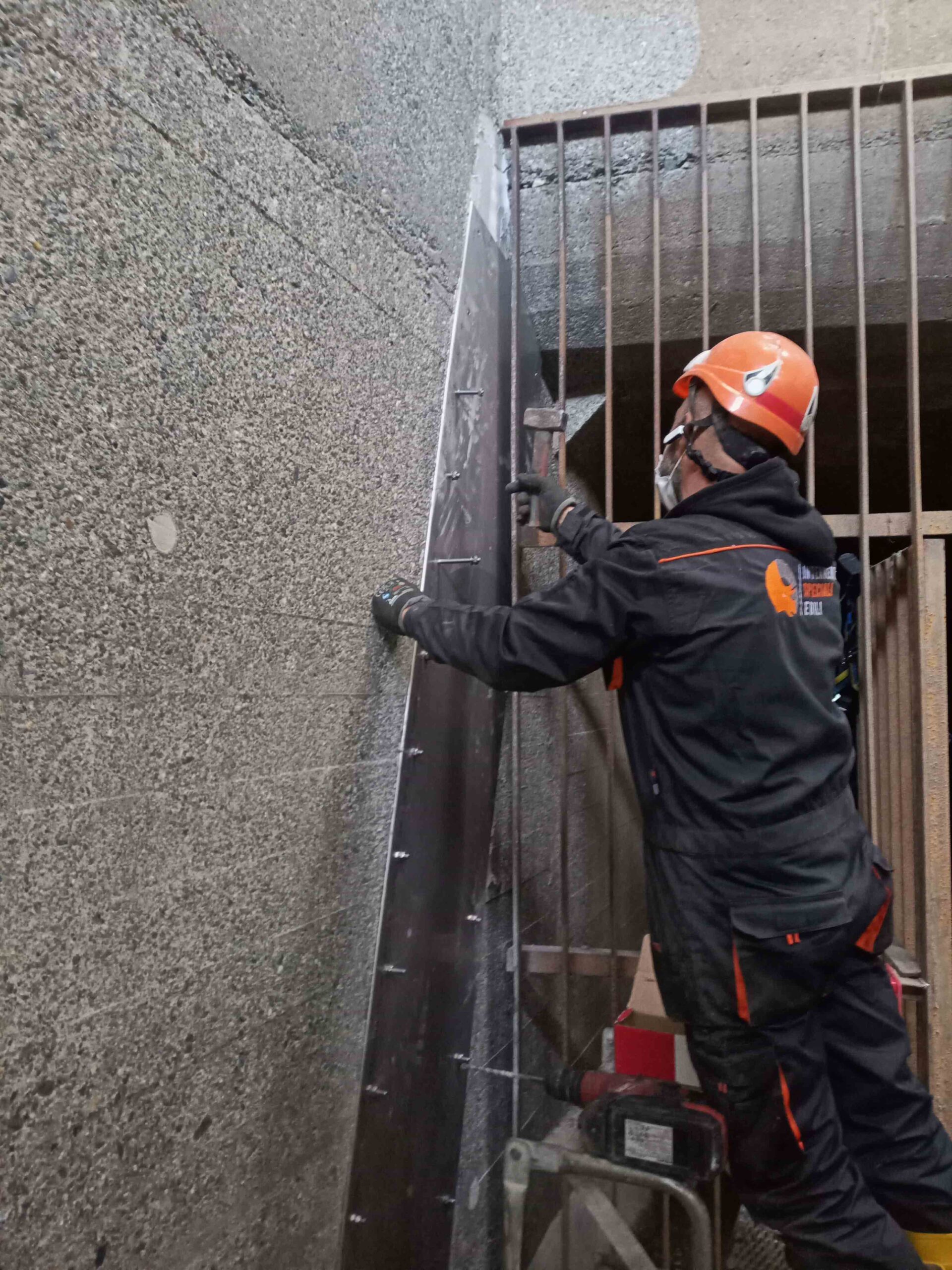
Structural consolidation and concrete restoration
Recovery and safe restoration of deteriorated structures, masonry and buildings
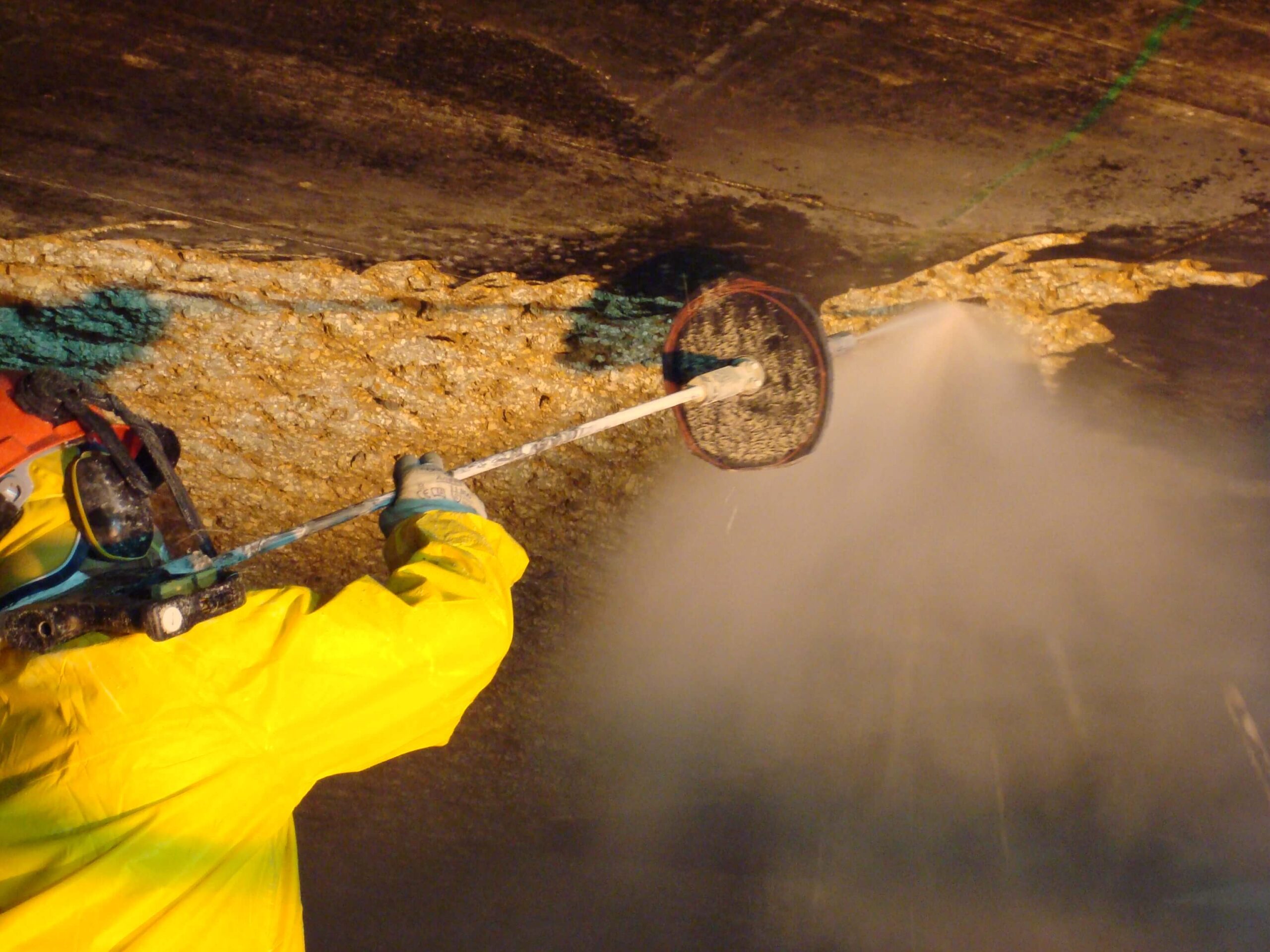
Concrete restoration with passivation of reinforcement rods and application of fibre-reinforced mortar
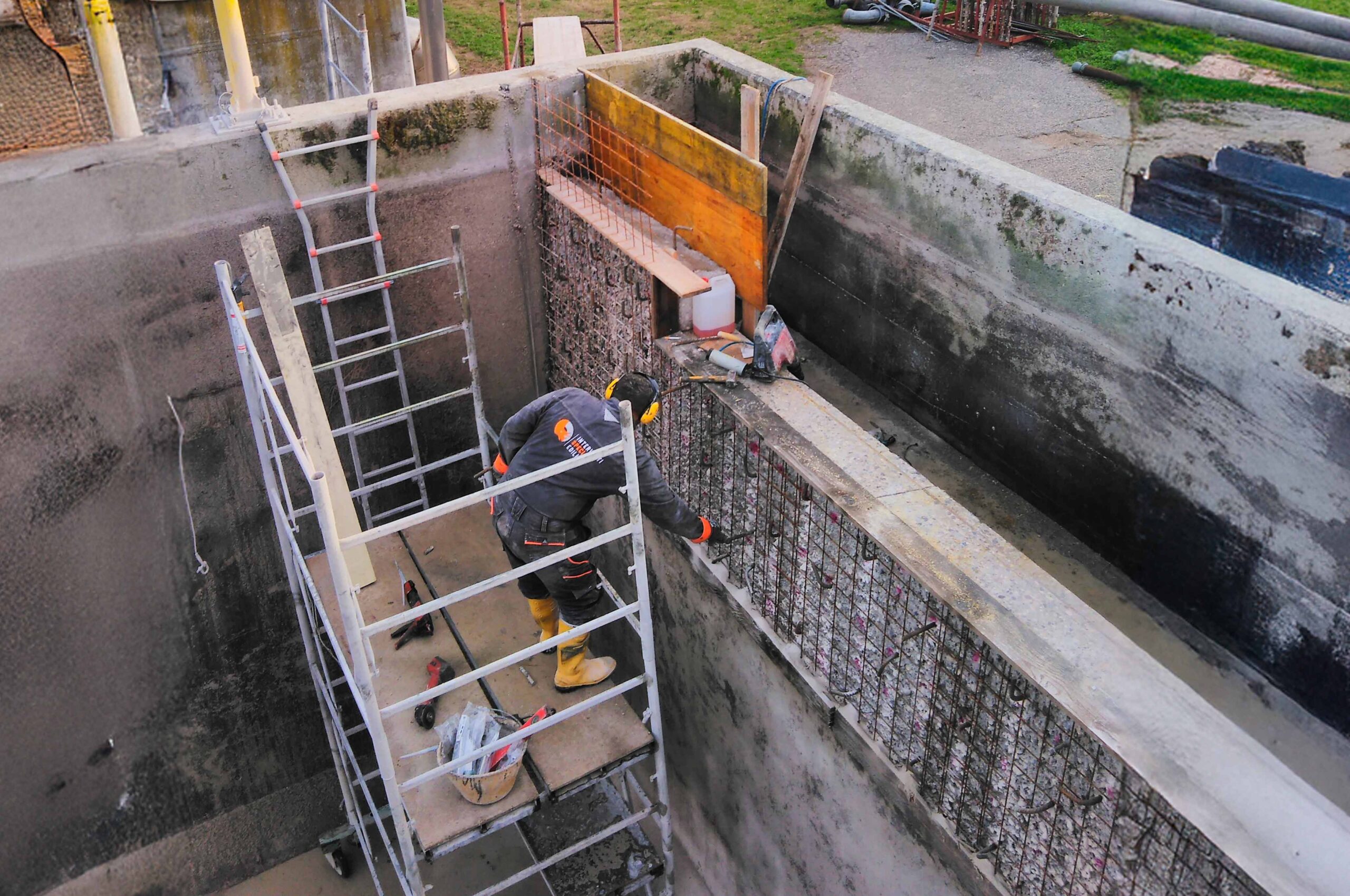
Concrete restoration is a fundamental intervention for preserving durability and safety of reinforced concrete structures. This process includes the passivation of reinforcement bars and the application of fibre-reinforced mortars, which together contribute to restoring the mechanical properties and ensuring protection against corrosion.
To achieve these results, a chemical treatment on the surface of exposed metals, creating a protective film that prevents corrosion and improves the longevity of the structure, especially in contexts where moisture and aggressive agents can compromise the integrity of concrete.
The application of fibre-reinforced mortars, containing reinforcing fibres such as steel or polypropylene, provides superior resistance to mechanical stress and greater durability compared to traditional mortars, enabling restore continuity and resistance of damaged concrete, as well as improving adhesion characteristics.
Main applications
Rehabilitation of degraded reinforced concrete structures
Work on bridges, viaducts and infrastructure
Consolidation of works in aggressive environments
Restoration of deteriorated structural elements
Preventive maintenance
Consolidation of masonry masses by injecting binder mortars
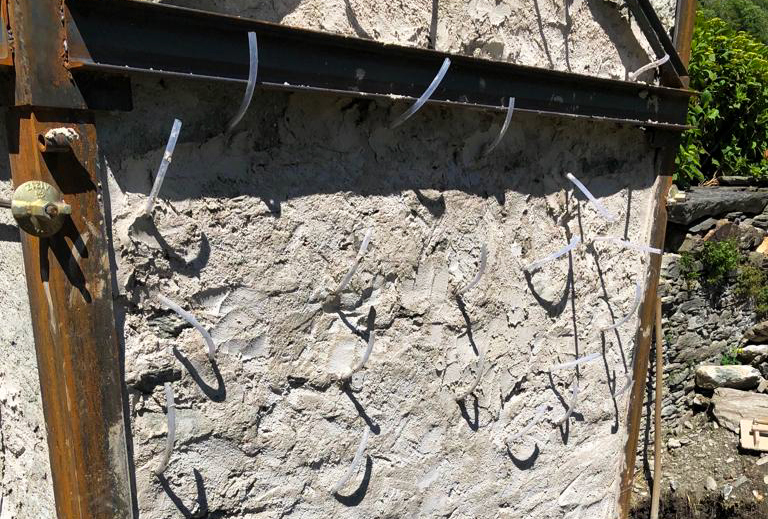
We offer a service of consolidation of walls and walls through binder mortar injections, an effective solution to restore the stability e durability of structures. We use mortars and grouts, both cement and lime-based, which are injected with the aid of controlled pressure pumps, so as to guarantee a homogeneous and precise filling of any internal porosity.
This type of intervention lends itself to solve structural degradation problems, improving the overall strength and extending the life of buildings. The injection process is particularly effective for consolidate drystone masonry, chaotic and inconsistent, where it is essential to restore continuity and solidity of structure.
Main applications
Stabilisation of historic and monumental structures
Reinforcement of degraded dry-stone walls
Filling of cavities and non-visible internal voids
Restoring cohesion in damaged masonry
Injections into arches and vaults to increase stability
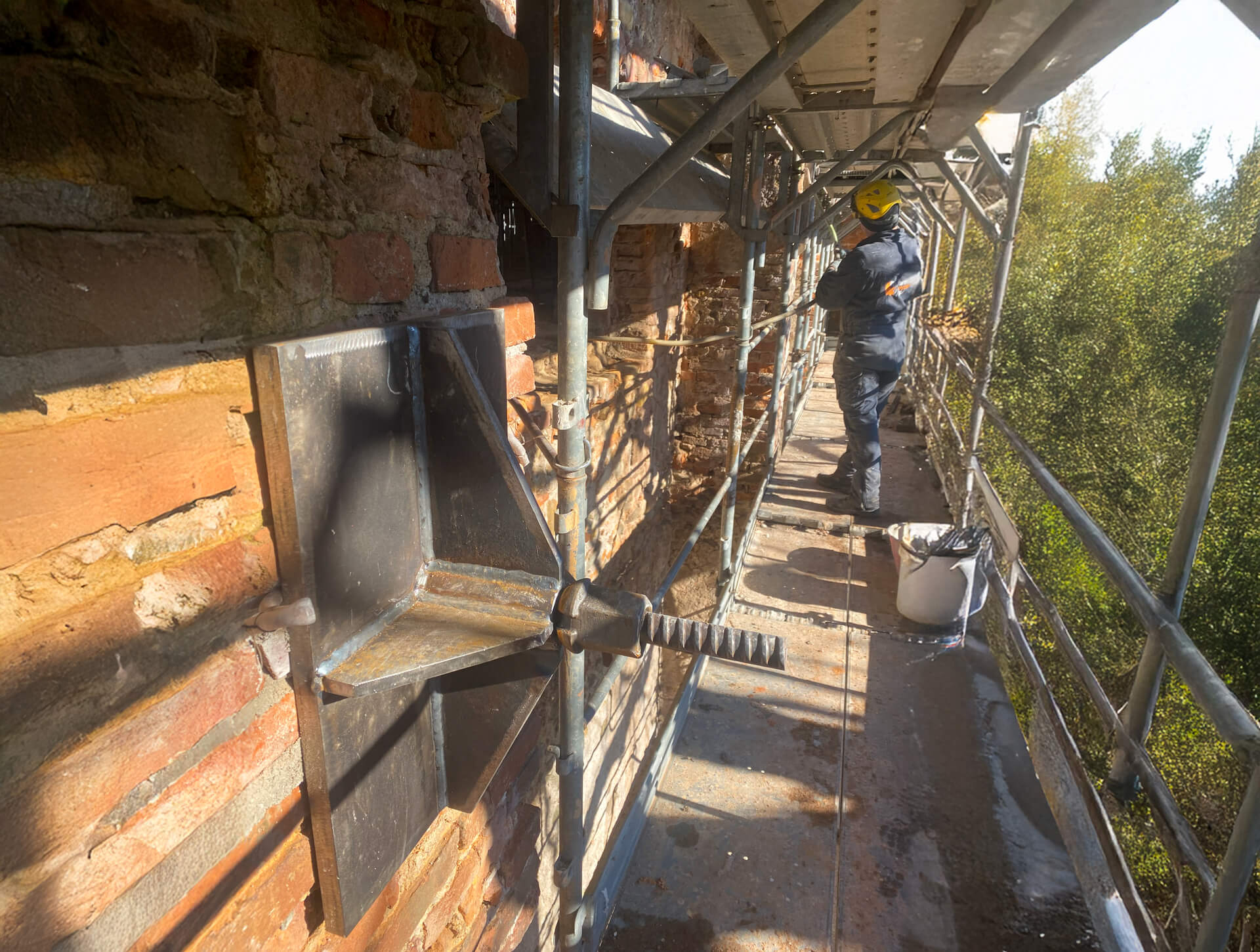
Positioning of tie rods for renovation and static consolidation
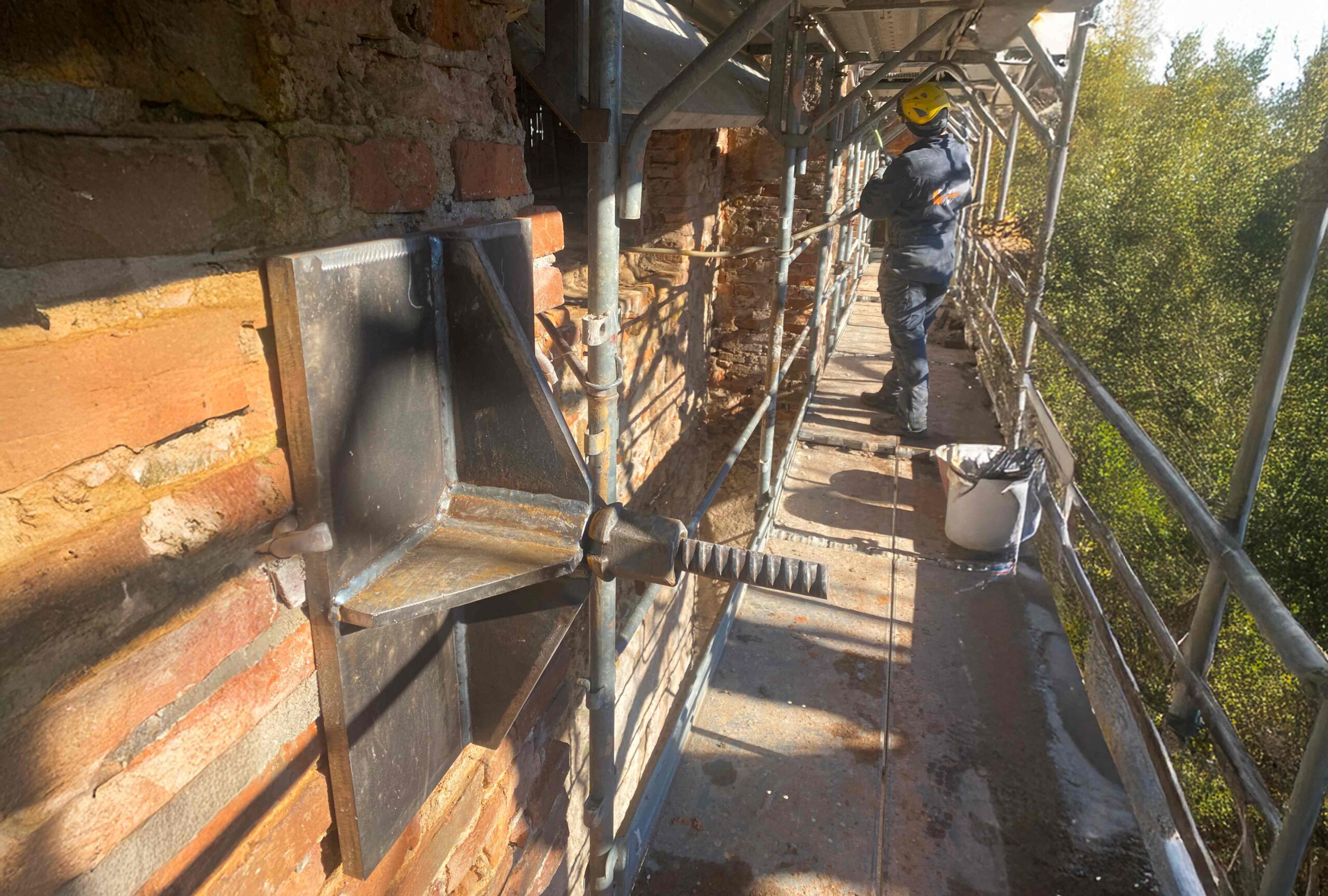
The use of tension rods made of spring steel or high-strength materials is an essential engineering solution for ensuring stability and security structures over time.
Positioned to transfer forces and stresses in a controlled manner, tension rods enable the consolidation of buildings, retaining walls and other vulnerable structures. This solution is particularly effective in the renovation of historic buildings, where it is necessary to reinforce without compromising the architectural appearance.
Our company employs two main types of anchors:
- Active Tie Rods with stranded cables, designed to apply active tension to the structure, increasing its stability and strength.
- Passive tie-rods with steel bars (e.g. Diwidag or Gewi), which are an effective and reliable solution for structural consolidation.
Main applications
Consolidation of historic buildings without altering their aesthetics
Stabilisation of retaining walls or drystone walls
Reinforcement of arches, vaults and roofs
Securing of structures subject to static instability
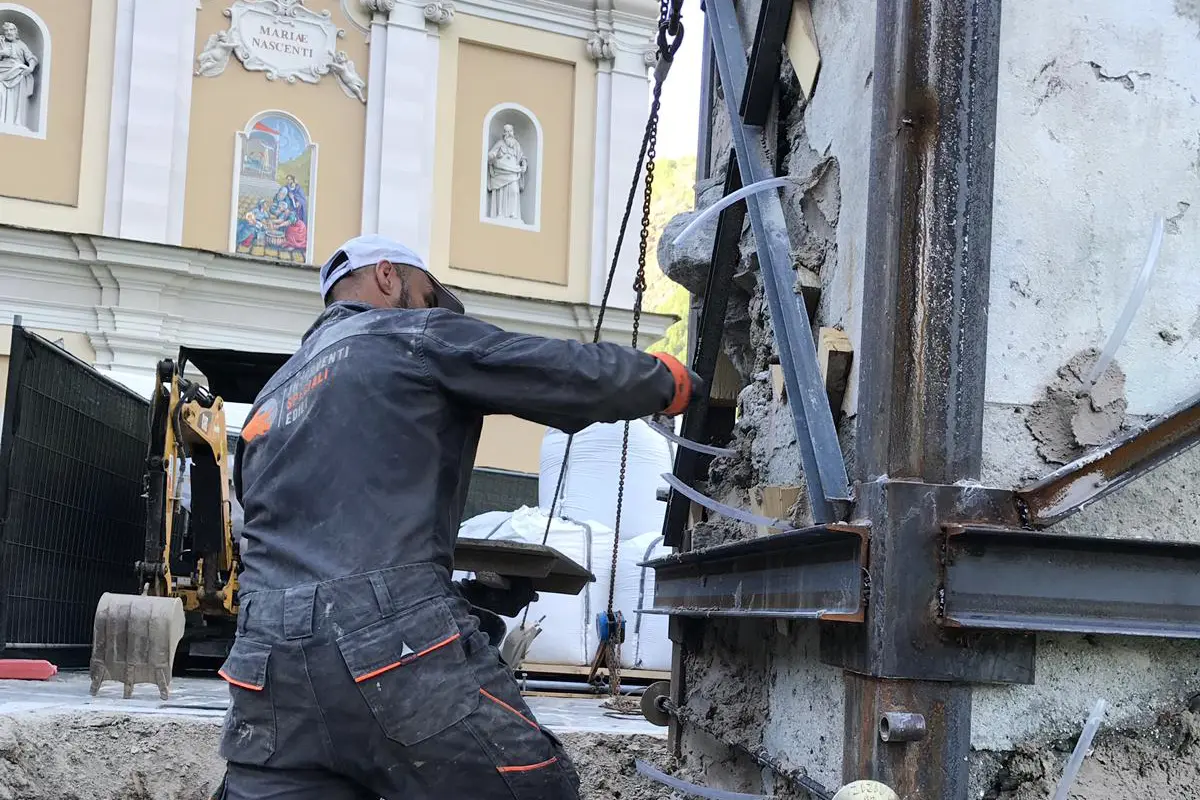
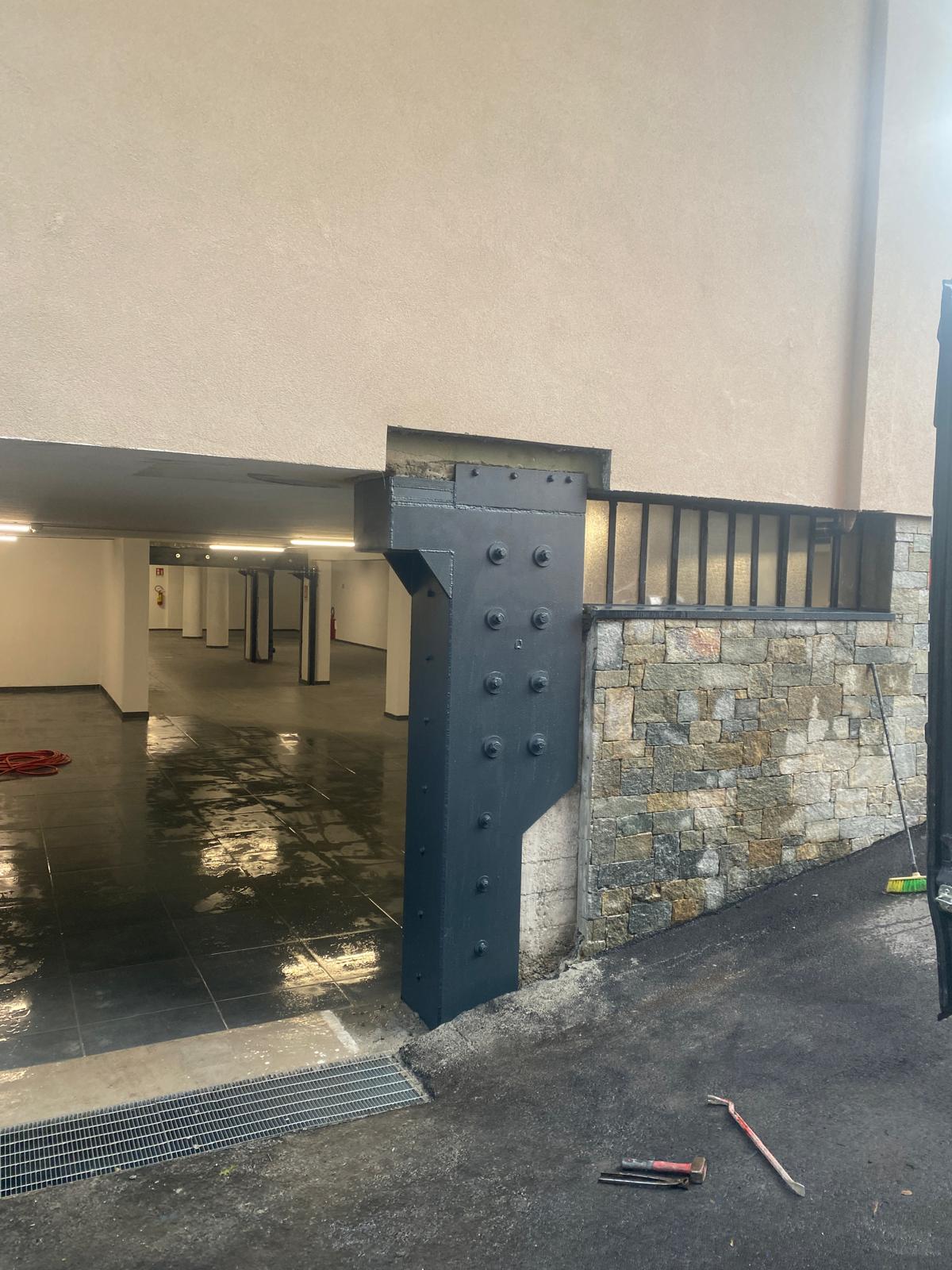
Anchoring and reinforcement of unstable façades, pillars and walls
Reinforced seams
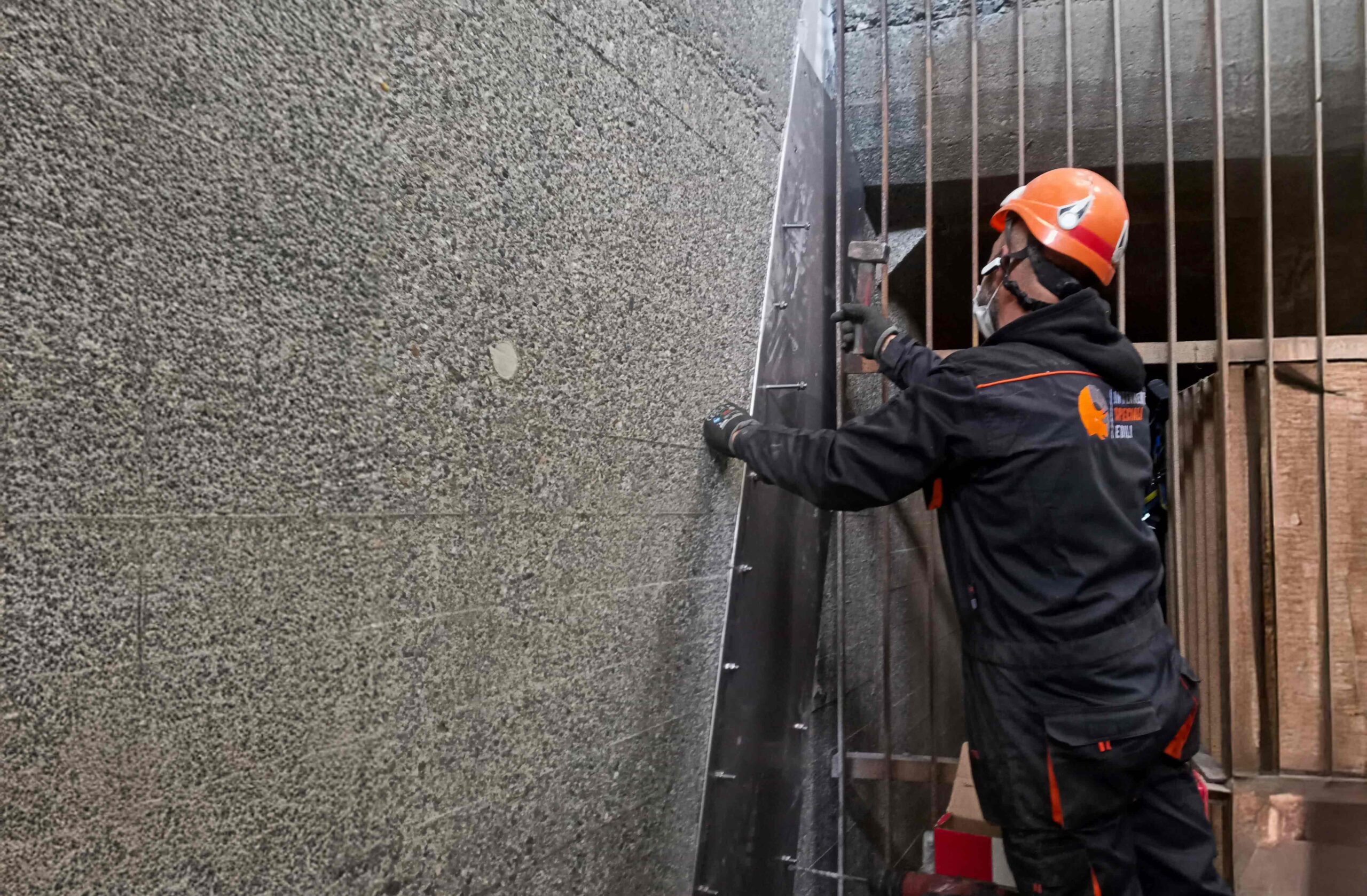
Reinforced seams are an advanced and minimally invasive technique for the structural consolidation of damaged walls, aimed at restore stability and integrity of the structures. They consist of the insertion of reinforcing bars into the compromised masonry in order to create an effective reinforcement that distributes stresses evenly and prevent further cracking.
The process begins with a careful analysis of the condition of the wall to identify the most damaged areas. Subsequently, openings are made at strategic points in the wall or slab to insert reinforcement bars, which are then fixed with special mortars or high-performance resins. These mortars anchor the bars and also help to improve the cohesion of the surrounding material, increasing the overall strength of the structure.
Le reinforced seams can be realised in different orientations and configurations, depending on the specific needs of the project. This flexibility allows a wide range of masonry deterioration issues, such as horizontal or vertical cracks, local subsidence or general stability problems, to be addressed in the consolidation of historic buildings, private homes and public structures.